

there are 8 million stories of esu,
this is just one of them
Detective Michael Corr, ESU (Ret.)
click here for PAST STORIES
AVIANCA FLIGHT #52
A thick fog and light rain blanketed the New York metropolitan area on the evening of January 25, 1990. A slow-moving low-pressure system was wreaking havoc for air traffic controllers throughout the region. Visibility was reduced to less than one mile, forcing many inbound aircraft into extended holding patterns. Although occasional breaks in the fog allowed some planes to land at JFK, severe wind shear caused approximately 20 percent of landing attempts to be aborted and flown as go-arounds.
One of those aircraft was Avianca Flight 52, a Boeing 707 airliner that departed Medellín, Colombia, at 3:10 p.m. for a scheduled 5-hour, 30-minute flight to JFK. Flight 52 was carrying 149 passengers and a crew of nine. As the aircraft proceeded north along the U.S. East Coast, air traffic controllers in Norfolk, Virginia, placed the flight into a holding pattern over the Atlantic Ocean until conditions in New York improved.
Flight 52 remained in this holding pattern for more than an hour before receiving permission to continue toward JFK. Upon arrival in the New York area, the aircraft was again placed in a holding pattern before finally being cleared for an approach. Due to low visibility and severe wind shear, the flight crew elected to abort the landing while on final approach. The aircraft was then vectored north over Long Island and out over Long Island Sound before turning south to attempt another approach to JFK.
At 21:33 hours, Flight 52 reported the loss of two engines. At 21:34 hours, the aircraft disappeared from radar.
At approximately 21:38 hours, NYPD Citywide radio broadcast an alert stating that Kennedy Tower had reported a Boeing 707 missing from radar, possibly over Long Island Sound or northern Queens. With no 911 calls reporting a plane crash, the Citywide dispatcher contacted JFK Tower, which confirmed the loss of radar contact. Approximately 15 minutes later, Nassau County Police confirmed that an aircraft had crashed in Cove Neck, New York.
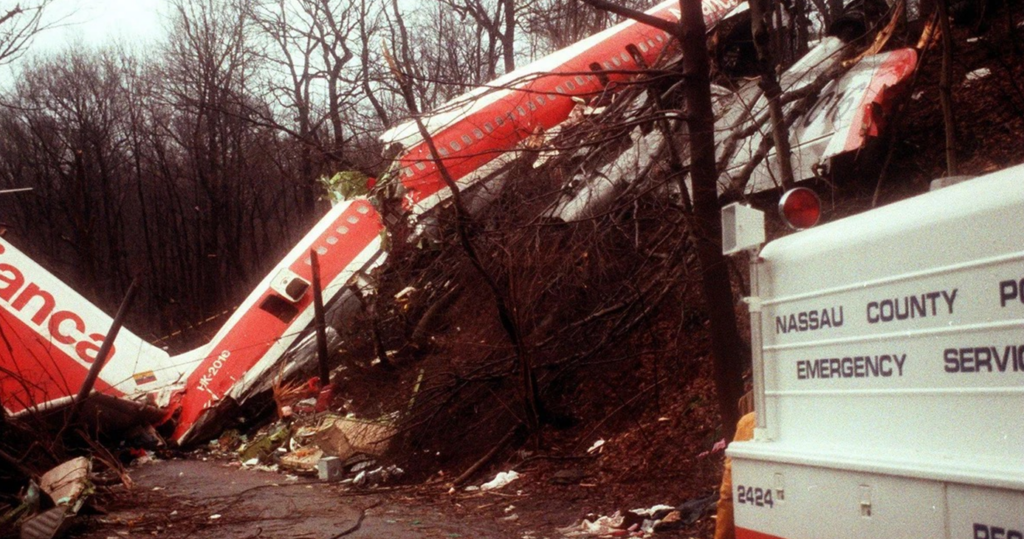 Avianca flight 52 broke apart into three pieces upon hitting the ground after funning out of fuel.
The lack of fuel kept the crashed jetline from bursting into flames.
initial response
The crash occurred on a dead-end street in Cove Neck, NY. A local resident called police to report that a plane had crashed in her backyard. The first responding police unit confirmed the crash and immediately requested assistance. The first arriving fire chief requested mutual aid from surrounding departments and transmitted a countywide disaster alert.
The aircraft severed a power line on Tennis Court Road, plunging the area into complete darkness and further complicating rescue and recovery efforts. Nassau County Police requested mutual aid from the NYPD, specifically aviation assets for medical evacuation and Emergency Service Unit (ESU) resources to provide large-scale lighting.
nypd response
AVIATION
A Bell 412 helicopter, outfitted with a mass-casualty medIvac package capable of carrying up to six patients, responded to the crash site, along with a Nassau County Police helicopter.
EMERGENCY SERVICE UNIT
The commanding officer of ESU, Inspector Robert Baumert, assembled a team of ESU officers from multiple trucks and directed them to report to the ESU office at Flushing Meadows Park. Responding units included radio motor patrol vehicles equipped with lighting packages, Mobile Light and Generator (MLG) trucks from Truck 3 and Truck 6, and light trailers commonly referred to as “Boomer Buggies.”
Once assembled, the ESU convoy proceeded to Cove Neck, Long Island. Upon arrival, ESU officers were assigned multiple tasks: deploying lighting equipment to support rescue operations; assisting in rescue and recovery efforts; securing landing zones for medical evacuation helicopters; and assisting Nassau County Police Emergency Service personnel in gaining access to the three flight crew members still trapped in the cockpit.
Once the lighting equipment was deployed, the magnitude of the disaster became fully apparent. The aircraft had broken into three major sections upon impact. Some victims were trapped within the fuselage, while others had been ejected onto the hillside and into a nearby wooded area. It was in this wooded area that a small child was found unconscious but alive, entangled among wreckage. Without the lighting provided by ESU, the child might not have been discovered until daylight.
After all critically injured survivors were removed, rescue efforts shifted to accessing the forward section of the aircraft where the pilot, co-pilot, and flight engineer were located. Nassau ESU personnel had been using power tools to attempt entry from the exterior. To determine the safest and most effective cutting points, the ESU Haz-Mat team deployed a portable cellular phone capable of establishing a secure connection. They contacted Boeing Aircraft in Seattle*, which provided technical guidance on where to cut through the fuselage.
Meanwhile, an ESU officer from Emergency 9 gained access to the cockpit by crawling through debris in the galley area and into the flight deck. He confirmed that all three crew members were deceased. The officer recovered the flight manifest and the pilot’s logbooks and turned them over to Nassau County Police investigators. The manifest proved invaluable in identifying both survivors and fatalities.
By sunrise, all victims—except for the three crew members in the cockpit—had been removed. A temporary morgue was established on the front lawn of the parents of tennis player John McEnroe. A total of 31 victims were transported by medical evacuation helicopters to area hospitals, with others transported by ambulance. Of the 158 passengers and crew members on board, 73 perished and 85 survived.
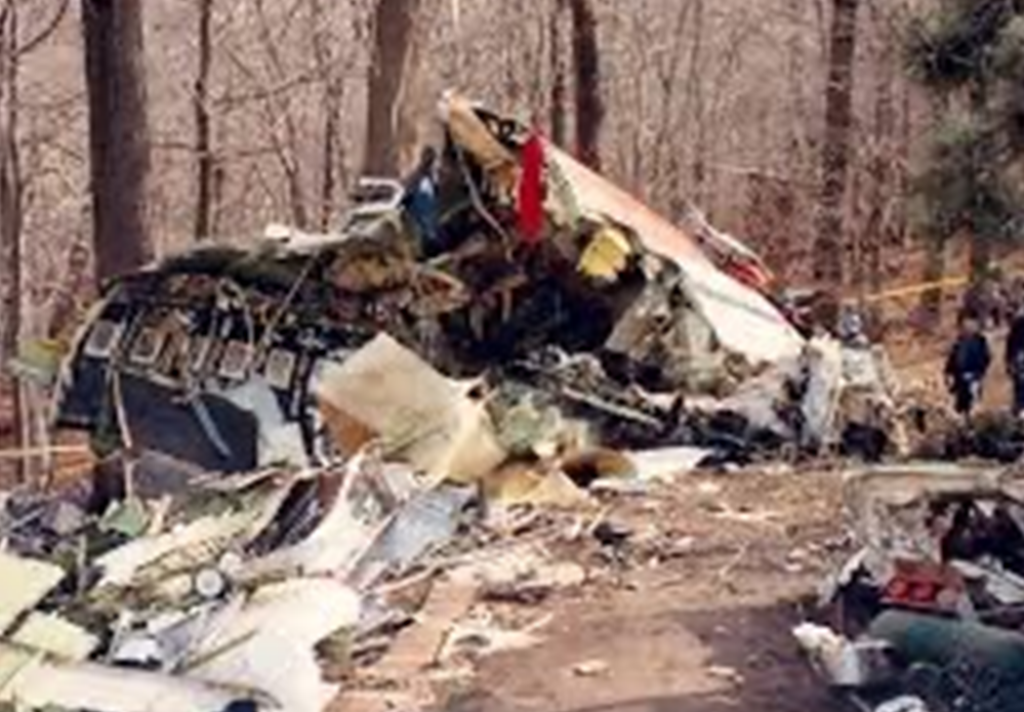
Official findings
The National Transportation Safety Board concluded:
- Failure of the flight crew to adequately manage fuel reserves and failure to declare an emergency
- Contributing factors included air traffic control traffic management issues, adverse weather conditions, and language/communication difficulties
* From the book of: “No good deed goes unpunished”:
In February 1990, the ESU Haz-Mat office received a call from the Integrity Control Officer Lieutenant Butkiewicz asking which member of the unit had a girlfriend in Seattle. It appeared that NYPD headquarters was investigating a two-hour cellular phone call made on a department phone to Seattle on the evening of January 25, and wants to give someone a complaint. The call, of course, had been placed to Boeing Aircraft while attempting to access the cockpit of Avianca Flight 52.
Comments